Whitewater Rafting as a Bucket-List Experience

Adventure seekers are always searching for experiences that go beyond the ordinary—moments that challenge the body, thrill the spirit, and leave stories worth sharing for a lifetime. For many, rafting belongs high on that list. In Oregon, the Deschutes River offers a rare combination of exhilarating rapids, breathtaking scenery, and approachable routes that make it ideal for both beginners and seasoned paddlers. At Deschutes River Adventures, guests discover why rafting is more than just an activity—it’s a bucket-list adventure that embodies the spirit of exploration and connection with nature.

1. The Thrill of Conquering Rapids

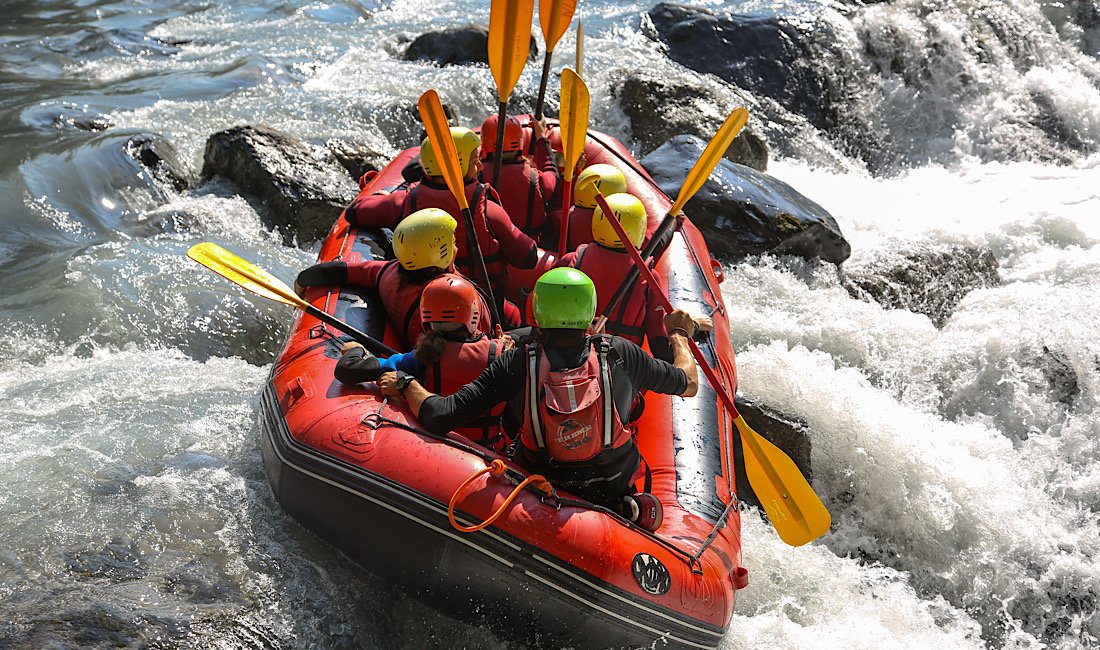
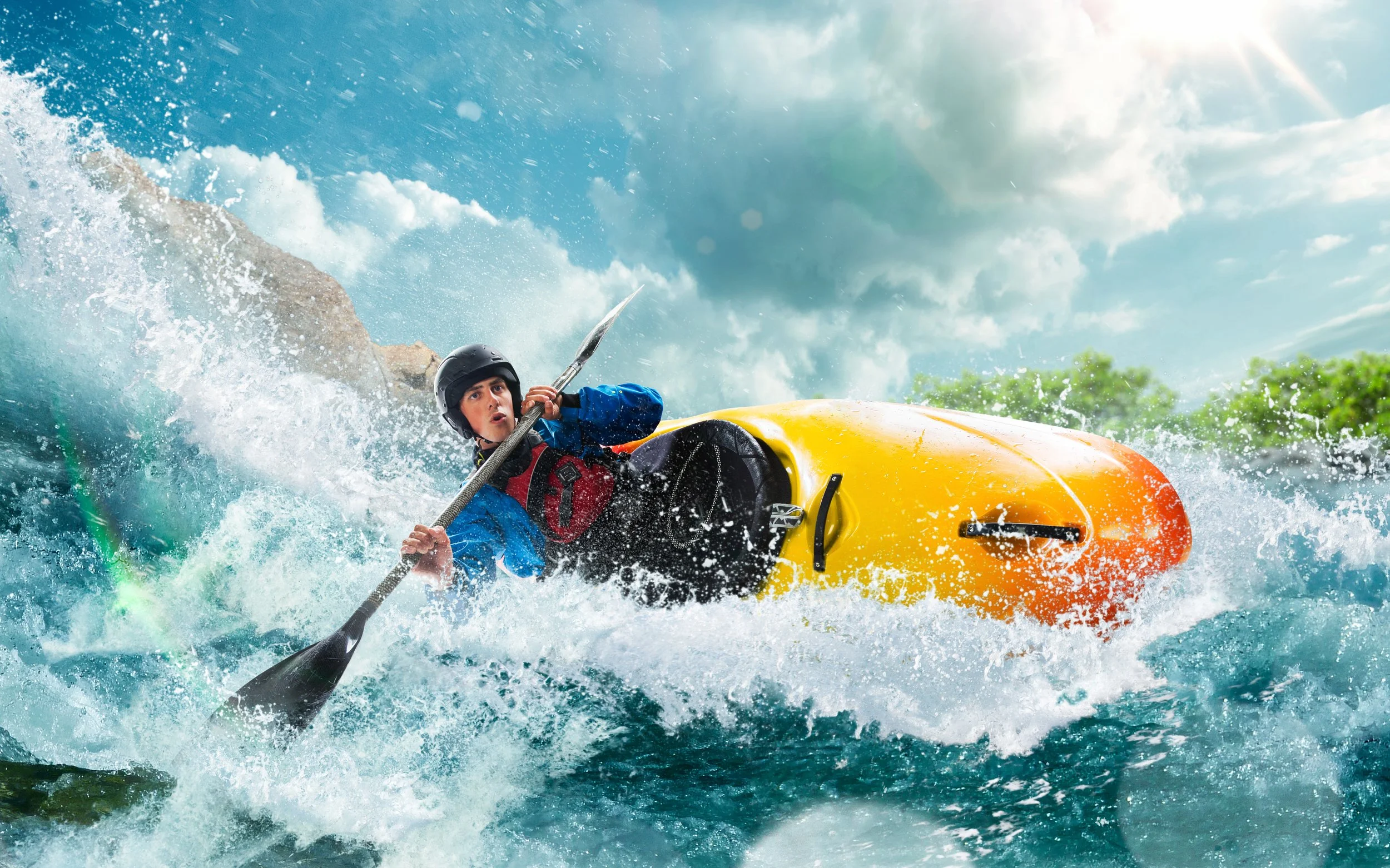
Few activities match the rush of plunging into a rapid, paddling in sync with your team, and feeling the raft surge forward with the current. Rafting delivers pure adrenaline in a safe and structured environment, making it one of the most rewarding outdoor challenges.

The Deschutes River features rapids rated from Class II to Class IV, offering something for everyone. Beginners can experience manageable but exciting waves, while thrill-seekers can tackle higher-level runs with technical maneuvers. The beauty lies in the variety—every stretch of river provides a fresh test, ensuring that no two rafting trips ever feel the same.

As many rafters describe it, the moment you successfully navigate a rapid is a “victory rush”—a mix of pride, exhilaration, and connection with the river that makes rafting unforgettable. Explore top expert-level rapids on the Deschutes River for thrill-seekers.

2. Stunning Scenery Adds to the Magic

Beyond the thrill, rafting also offers moments of breathtaking calm. The Deschutes River winds through dramatic basalt canyons, rolling high desert landscapes, and stretches of lush greenery. Along the way, it’s common to spot wildlife like eagles, ospreys, deer, or river otters.

These quiet interludes between rapids create space to appreciate the natural beauty around you. Sunlight glinting off canyon walls, cottonwood trees blazing in fall colors, or a bald eagle soaring overhead—these are bucket-list-worthy images that stay imprinted in your memory long after the trip ends. Learn about top scenic spots on the Deschutes River for photographers.

Travel Oregon consistently highlights the Deschutes River as one of the state’s premier outdoor destinations, blending accessibility with unspoiled natural beauty. For many visitors, rafting here becomes not just an adventure but also a spiritual encounter with nature.

3. A Bucket List Experience That’s Accessible

One of the reasons rafting stands out as a bucket-list item is its inclusivity. Unlike mountaineering or extreme sports, rafting is accessible to a wide range of ages and fitness levels.

  • Beginner-Friendly Trips: Families with children as young as 6 can join guided trips on calmer stretches.

  • Adventurous Options: Thrill-seekers can choose routes with bigger waves and more technical challenges.

  • Guided Support: Professional guides ensure safety and provide expert knowledge, so even first-timers can enjoy the rapids with confidence.

At Deschutes River Adventures, guides tailor the experience to your comfort level, making rafting a rare bucket-list activity that can be customized for almost anyone.

4. Shared Memories That Last a Lifetime

Bucket-list adventures are not just about checking something off a list—they’re about creating stories you’ll share for years. Rafting naturally fosters camaraderie. Whether you’re paddling with friends, family, or even strangers, the teamwork required creates bonds that are both immediate and lasting.

Many couples and families return saying rafting was the highlight of their vacation. The combination of challenge, beauty, and teamwork turns rafting into a memory that defines a trip and becomes part of your personal story of adventure.

As one guest at Deschutes River Adventures described it, “I came for the thrill of the rapids, but what I left with was a deeper appreciation for nature and a story my kids will tell their kids.” Check out our multi-day Deschutes River trips for extended adventures.

FAQs: Whitewater Rafting as a Bucket-List Adventure

Is rafting safe for first-timers?

Yes. With professional guides, safety gear, and beginner-friendly rapids, rafting is a safe adventure for newcomers of all ages.

When is the best time to raft the Deschutes River?

Spring through fall offers excellent rafting. Summer provides warm weather and busy rapids, while fall brings fewer crowds and stunning scenery.

What should I bring for a bucket-list rafting trip?

Quick-dry clothing, secure footwear, sunscreen, and a water bottle. Outfitters provide helmets, PFDs, and sometimes wetsuits. Plan your trip with our rafting rentals and gear.

Why choose the Deschutes River for a bucket-list trip?

It offers a perfect blend of thrilling rapids, stunning scenery, and accessibility, making it one of the best rafting destinations in Oregon.

For those who seek adventure, beauty, and connection, rafting delivers all three in a single, unforgettable journey. It’s more than just checking a box—it’s a way to embrace life fully, one rapid at a time.

Ready to make rafting the highlight of your bucket list? Contact Deschutes River Adventures and plan your unforgettable journey down Oregon’s legendary Deschutes River.

Sustainable Whitewater Rafting Practices

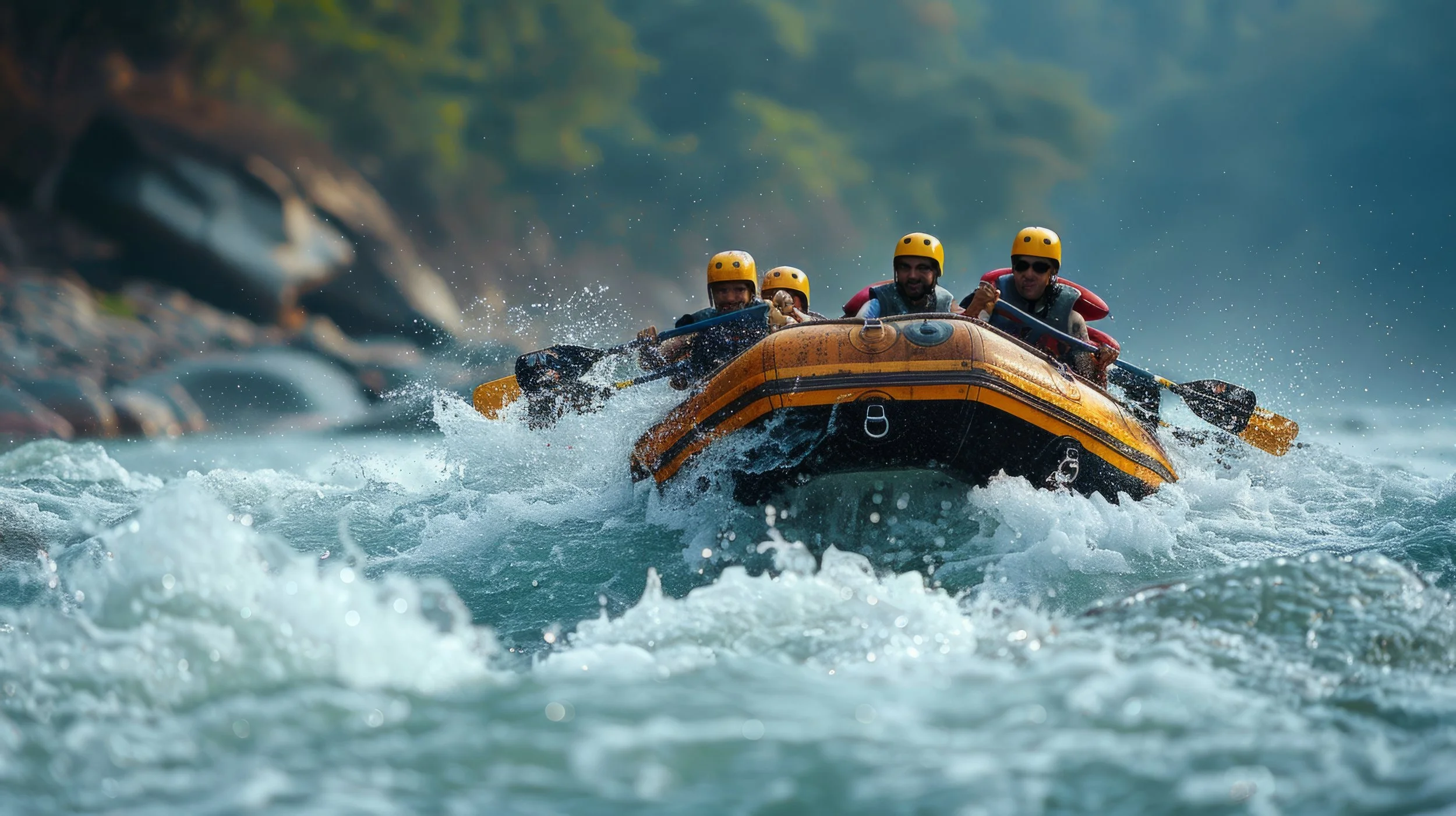
Whitewater rafting is one of the most exhilarating ways to explore Oregon’s pristine rivers, from the rushing rapids of the Deschutes to the quieter stretches where wildlife thrives. But with every paddle stroke comes a responsibility: to ensure these waterways remain healthy and vibrant for generations to come. At Deschutes River Adventures, protecting the river is part of every trip, blending excitement with education so that guests leave with not only unforgettable memories but also a deeper appreciation for conservation. Practicing eco-friendly rafting is about more than following rules—it’s about becoming a steward of the river.

1. Leave No Trace on the River

The most fundamental principle of sustainable rafting is to minimize human impact. The Leave No Trace Center for Outdoor Ethics provides seven key guidelines, but several apply directly to rafting:

  • Pack It In, Pack It Out: Every item brought onto the raft—snacks, bottles, wrappers—must come back off. Even biodegradable food scraps can harm river ecosystems.

  • Respect Campsites: For multi-day rafting trips, set up camp in designated areas to avoid disturbing habitats. See our multi-day raft rentals for responsible options.

  • Dispose of Waste Properly: Many outfitters use portable toilet systems to ensure human waste doesn’t enter the river.

The Deschutes River, managed by the Bureau of Land Management (BLM), enforces strict rules around waste disposal and campsite use. These policies protect fragile habitats along the riverbanks and ensure the experience remains pristine for future visitors.

2. Choose Eco-Friendly Gear and Practices

Rafting sustainably extends beyond behavior on the water—it also involves the gear you use.

  • Reusable Water Bottles: Single-use plastics are a major pollutant. Outfitters encourage guests to bring durable bottles with carabiners to clip inside the raft.

  • Reef-Safe Sunscreen: Chemicals in traditional sunscreens can harm aquatic life. Mineral-based formulas using zinc oxide or titanium dioxide are safer options.

  • Clothing Choices: Quick-dry synthetic fabrics last longer than cotton, reducing waste from frequent replacement.

  • Shared Transport: Carpooling or using outfitter shuttles reduces emissions from multiple vehicles at launch and take-out sites.

These small decisions add up. According to the Oregon Department of Environmental Quality, reducing plastic and chemical runoff is one of the most effective ways to maintain river health.

3. Respect Wildlife and River Ecology

Oregon’s rivers support a diverse array of species, from bald eagles and ospreys to salmon and otters. Responsible rafters play a role in protecting them.

  • Observe from a Distance: Avoid approaching nesting birds or animals on the shoreline.

  • Stay in the Raft: Don’t trample vegetation along the banks or disturb spawning grounds.

  • Fish Responsibly: If fishing is part of your trip, follow local regulations and consider catch-and-release to maintain populations.

The Deschutes River, in particular, is home to sensitive fish species, including wild steelhead. Sustainable rafting practices help protect their spawning grounds while allowing rafters to enjoy the natural beauty responsibly. Learn more about our guided trips that emphasize river stewardship.

4. Support Conservation-Minded Outfitters

One of the best ways to ensure your rafting trip is eco-friendly is to book with an outfitter that prioritizes sustainability. At Deschutes River Adventures, guides are trained to follow BLM regulations, teach guests about the river’s ecology, and implement environmentally conscious practices on every trip.

Look for outfitters that:

  • Follow strict waste management practices.

  • Participate in river clean-up projects.

  • Educate guests about local ecosystems.

  • Advocate for conservation through partnerships with environmental organizations.

By supporting companies that value sustainability, rafters indirectly contribute to broader conservation efforts across Oregon’s waterways.

5. Advocate for the River Beyond the Trip

Eco-friendly rafting doesn’t end when you leave the river. Advocating for water conservation and responsible recreation ensures long-term protection.

  • Volunteer for River Cleanups: Many Oregon communities host annual events to remove trash from rivers.

  • Support Policy Efforts: Conservation groups often work to secure funding and protections for waterways.

  • Share the Message: Educating friends and family about sustainable rafting encourages a ripple effect of responsible behavior.

According to American Rivers, a national conservation group, community involvement is a critical factor in protecting and restoring the 3 million miles of rivers in the U.S. By speaking up and acting locally, rafters help preserve the places they love.

FAQs: Eco-Friendly Rafting Questions

Do outfitters provide eco-friendly gear?

Yes. Many, including Deschutes River Adventures, provide reusable equipment, proper waste systems, and river-friendly sunscreen recommendations.

Can one rafting trip really impact the environment?

Yes. Even small actions, like leaving trash or trampling vegetation, can accumulate when repeated by thousands of visitors. Responsible practices make a big difference.

How can families with kids raft sustainably?

Teach children the basics of Leave No Trace. Encourage them to pack out snacks, respect wildlife, and understand why protecting rivers matters.

Is rafting still fun with all these rules?

Absolutely. Most sustainable practices are simple habits that don’t detract from the adventure. In fact, many rafters find trips more rewarding when they know they’re helping preserve the river.

Whitewater rafting offers couples, families, and adventurers a chance to connect with nature in unforgettable ways. By practicing sustainable habits, you ensure that Oregon’s rivers remain wild, clean, and beautiful for future generations.

Ready to experience the thrill of rafting while protecting the river you love? Contact Deschutes River Adventures to plan your eco-friendly rafting trip today.

Rafting for Couples: A Unique Romantic Adventure

When couples think about romantic activities, images of candlelit dinners, weekend getaways, or long walks often come to mind. But for those who crave something more adventurous and memorable, rafting offers a thrilling alternative. Imagine working together to paddle through lively rapids, sharing laughter as splashes hit, and floating quietly during calm stretches with stunning landscapes surrounding you. At Deschutes River Adventures, couples discover that rafting is more than just a recreational outing—it’s a chance to strengthen bonds, create lasting memories, and experience romance in an entirely new way.

1. Teamwork Builds Stronger Bonds

Rafting naturally requires teamwork, making it one of the most powerful activities for couples. Each paddle stroke depends on coordination, trust, and communication. When couples work together to navigate rapids, they learn to rely on each other in real time, building confidence and connection.

Unlike routine date nights, a rafting trip challenges both partners to be present and engaged. Sharing the highs of successfully maneuvering through a rapid or the calm of floating past scenic landscapes creates moments of genuine connection. These experiences often translate into stronger problem-solving and communication skills outside the river, too.

According to relationship studies from the National Library of Medicine, engaging in new and challenging activities together can increase feelings of closeness and satisfaction between partners. Rafting provides exactly that opportunity in a way that combines fun, adrenaline, and intimacy.

2. Adventure That Breaks the Routine

For couples seeking something beyond the ordinary, rafting is a refreshing departure from traditional date ideas. It’s adventurous, active, and filled with unpredictability, which keeps the experience exciting from start to finish.

At Deschutes River Adventures, rafting trips are designed for all skill levels, so even first-timers can enjoy a safe and thrilling journey. The Deschutes River in particular offers a perfect mix of beginner-friendly rapids, serene stretches for conversation, and breathtaking scenery—all of which set the stage for a one-of-a-kind adventure date.

Whether it’s a half-day escape or a full-day river trip, rafting creates opportunities for spontaneous laughter and unforgettable memories. Couples often find that sharing these exhilarating moments strengthens their connection far more than another routine night out.

3. Scenic Beauty Creates Romantic Moments

While rafting brings plenty of adrenaline, it also offers tranquil pauses that naturally lend themselves to romance. The Deschutes River is lined with dramatic basalt cliffs, cottonwood trees, and wildlife sightings that set a picturesque backdrop.

During calmer stretches, couples can hold hands, share quiet conversations, or simply take in the beauty of Oregon’s high desert. Sunsets on the river, in particular, create breathtaking moments that rival any romantic dinner setting.

Many couples describe these trips as the perfect mix of adventure and intimacy—a rare combination that blends heart-pounding thrills with peaceful, shared reflection.

4. Creating Shared Memories That Last

One of the most meaningful aspects of rafting as a couple is the shared memories it creates. From the nervous anticipation before launching to the celebratory smiles after conquering a challenging rapid, each moment becomes a story you share together.

These memories extend far beyond the river. Photos of the day serve as reminders of the fun, while stories of teamwork and adventure become part of your relationship history. For many couples, rafting sparks a new tradition—turning adventurous dates into an annual activity.

At Deschutes River Adventures, guides often hear from couples who say rafting was the highlight of their vacation or even a turning point in their relationship. The shared experience becomes more than just a day on the river—it becomes a defining memory of their journey together.

FAQs: Rafting for Couples

Is rafting safe for couples who are new to the sport?

Yes. Beginner-friendly trips on rivers like the Deschutes are designed for first-timers. Professional guides provide gear, safety instruction, and constant support.

Do couples need to be in great shape to raft?

Basic fitness is helpful, but rafting doesn’t require advanced athletic ability. Couples of all ages can enjoy trips tailored to their comfort level.

What should couples bring on a rafting trip?

Quick-dry clothing, secure footwear, sunscreen, and water bottles. Outfitters provide essential gear like helmets, PFDs, and sometimes wetsuits.

Can rafting be part of a romantic getaway?

Absolutely. Many couples add rafting to vacations in Oregon as a highlight. Pairing a day on the river with a cozy dinner or cabin stay makes for an unforgettable trip.

Rafting is more than an outdoor sport—it’s an intimate experience that combines laughter, teamwork, and breathtaking scenery. For adventurous couples, it’s the perfect way to celebrate love and strengthen bonds in a new and meaningful way.

Ready to turn your next date into an adventure? Contact Deschutes River Adventures to plan a romantic rafting trip that blends excitement, beauty, and unforgettable connection.

Winter on the Deschutes: What Happens When the Rafts Go Away

The sun sets earlier, the canyon walls glow a little cooler, and the sound of rushing water replaces the laughter of rafters. In Maupin, winter feels almost like the Deschutes River is catching its breath.

For Deschutes River Adventures, that quiet isn’t the end of the season—it’s the beginning of a different kind of work. The rafts may be rolled and stored, but the crew never really stops. Winter is when the team patches, plans, and prepares for another unforgettable year on the water.

When the last raft is strapped to the trailer and the final splash of summer fades, that’s when the behind-the-scenes rhythm begins—fewer sunburns, more coffee, and plenty of anticipation for what’s to come.

Gear Gets a Spa Day (and Then Some)

As soon as the final group finishes their trip, the guides get to work cleaning, repairing, and organizing every piece of equipment.

The Deschutes is famous for its warm water and dusty canyon, and by season’s end, that dust finds its way into everything. Every life jacket, helmet, and dry bag is scrubbed, disinfected, and carefully inspected for wear.

The rafts themselves get special attention. Each one is unrolled, cleaned, patched, and pressure-tested to ensure it’s ready for another summer of rapids. Oars are sanded smooth and re-gripped, straps are replaced, and shuttle vans get their annual tune-up.

It’s an all-hands effort that feels like putting the entire operation through spring cleaning—just during the coldest months of the year. It may not have the rush of the rapids, but it has the same sense of pride and precision.

Watching the River Flows (and the Snowpack)

While many Oregonians spend winter sipping cocoa and skiing the Cascades, the Deschutes River Adventures team keeps a close eye on something else entirely—water levels.

Each winter, they track data from the Madras and Moody USGS gauge stations, watching cubic feet per second (CFS) like it’s the stock market. These readings, combined with reports from the Bureau of Land Management (BLM) and Oregon’s snowpack forecasts, tell them how much water they can expect when rafting season begins.

They monitor:

  • Snowpack levels in the Cascade Range

  • Winter precipitation forecasts

  • BLM updates on boater passes and regulations

This ongoing analysis helps the team plan launch dates, trip schedules, and even early-season promotions. While predicting spring flows involves a mix of science and intuition, years of experience have made the crew experts at reading the river’s moods.

When the river runs low, patience is key. When the snowpack is deep, excitement builds—the promise of strong flows and big waves ahead.

Guides Don’t Hibernate

Even though the river quiets down, the guides stay busy all winter long. Many spend their off-season as ski instructors, wilderness first responders, or outdoor educators. Others remain in Maupin, keeping up with maintenance projects or helping prepare for the next rafting season.

Each year, Deschutes River Adventures hosts safety refreshers, first aid renewals, and swift-water rescue drills—often in freezing conditions. It’s not glamorous, but it’s essential. These sessions ensure that every guide stays certified, sharp, and ready to handle any situation on the water.

Winter is also a time for reflection. The team reviews notes from the previous summer—what worked well, what could be improved, and what new ideas might make future trips even better.

It’s a cycle of constant learning and preparation. Once you’ve spent years navigating Boxcar Rapids, the river becomes part of you. Even in January, most guides are still talking about the Deschutes over morning coffee, swapping stories and ideas for next season.

Planning New Adventures

The Deschutes River Adventures office doesn’t go quiet in the winter—it transforms into a command center. This is when the next year’s experiences are born.

The team brainstorms new trip ideas, reviews guest feedback, and analyzes booking data to fine-tune their offerings. Some winters bring fresh additions like family-focused adventures, corporate team-building trips, or package deals that combine rafting with local lodging or breweries.

Winter is also when logistics are fine-tuned:

  • Securing river permits and launch schedules

  • Confirming partnerships with local outfitters

  • Updating online booking systems and trip descriptions

  • Refreshing website content and imagery for the coming season

Every detail matters, from the first inquiry on the website to the final paddle stroke in the canyon. The groundwork laid in December and January ensures that when the first raft hits the water in spring, everything runs seamlessly.

The Magic of Maupin in the Off-Season

If you’ve never visited Maupin in winter, it’s a completely different experience. The crowds disappear, leaving behind a peaceful town nestled between canyon walls and rolling high desert hills.

Locals swap wetsuits for flannels, and the rhythm of the town slows down. The cafes stay open, serving strong coffee to river guides and locals alike. The Deschutes still flows—steady and strong—but the only sounds are the wind, the water, and the occasional eagle overhead.

For many, this is the most peaceful time of year. It’s when the town rests, when the river breathes, and when future adventures start taking shape.

It’s also a great time to plan ahead. Many guests use the off-season to book their upcoming spring and summer trips, taking advantage of early-bird discounts and the best date availability. By planning now, adventurers can secure prime weekends before the rush begins.

Preparing the Owyhee: The Spring Crown Jewel

While most eyes stay on the Deschutes, the winter months are also crucial for preparing the Owyhee River expeditions—one of Oregon’s most stunning and remote river trips.

Since the Owyhee’s rafting window depends on spring snowmelt, planning starts months in advance. The team monitors water levels, updates equipment, and preps logistics for these limited-time multi-day journeys.

Each trip down the Owyhee is a true expedition—days of paddling through red-rock canyons, soaking in hot springs, and camping beneath wide-open skies. Because the season is short, most trips fill up quickly.

Winter is when all the details come together—rafting gear, food plans, safety equipment, and transport coordination. For outdoor enthusiasts, these trips represent the pinnacle of Oregon adventure, and the planning begins long before the snow starts to melt.

Keeping the Digital River Flowing

While the real river rests, the digital one flows year-round.

The Deschutes River Adventures team spends winter updating the website, writing new blog content, and refining their SEO strategy to stay visible to future guests. Efforts include:

  • Writing informative articles like this one for curious readers

  • Updating keywords to stay current with search trends

  • Adding internal links between trip pages and guides

  • Refreshing images and videos to showcase real guest experiences

  • Posting updates to Google Business and social media

These digital updates ensure that when travelers begin searching for “Deschutes River rafting” in early spring, Deschutes River Adventures appears front and center—ready to help them plan their trip.

Staying Connected with Guests

The connection between the company and its guests doesn’t fade with the season. Throughout the winter, Deschutes River Adventures shares updates, trip photos, and behind-the-scenes peeks on social media. Guests are encouraged to tag their rafting photos, share stories, and stay connected.

Seasonal newsletters keep subscribers informed about early-bird specials, snowpack reports, and opening day news. For loyal guests who raft every year, these updates are part of the annual anticipation—the countdown to summer’s first splash.

For those considering a trip next year, joining the mailing list ensures early access to trip announcements and exclusive offers before spots fill up.

Looking Ahead to Opening Month

By March, anticipation builds again. Guides return to Maupin, gear gets unpacked, and the first test floats begin. The smell of neoprene returns, and the sound of laughter slowly echoes through the canyon once more.

April marks the official rebirth of rafting season. The river swells with snowmelt, the days grow longer, and the familiar energy returns. Every guide, raft, and guest becomes part of the rhythm that makes the Deschutes such a cherished part of Oregon life.

Plan Your 2026 Deschutes Adventure Now

Winter may be the off-season, but it’s also the perfect time to dream, plan, and book your next river adventure. Check out Deschutes River Adventures for:

  • Half-Day Trips for quick, thrilling getaways

  • Full-Day Adventures for families and first-timers

  • Owyhee Multi-Day Expeditions for the ultimate Oregon escape

  • Gift Cards for holidays, birthdays, or team rewards

Bookings for the 2026 rafting season are already open, and the best weekends fill fast. Contact Deschutes River Adventures today to reserve your spot and start counting down the days until the next splash.

FAQs: Winter and the Off-Season at Deschutes River Adventures

1. Is the Deschutes River open for rafting in winter?

Technically, yes—but water temperatures and weather conditions make winter rafting less ideal. Deschutes River Adventures operates guided trips from April through October, when flows, sunshine, and safety conditions are at their best.

2. What do rafting guides do during the off-season?

Guides stay busy maintaining equipment, updating certifications, and training for next year’s season. Many work as outdoor professionals elsewhere—ski instructors, EMTs, or educators—before returning to Maupin in the spring.

3. Can I still buy gift cards or book trips during the winter?

Absolutely. Gift cards are available year-round and can be purchased directly online. Deschutes River Adventures also opens next season’s reservations early, so winter is an ideal time to secure your preferred dates.

4. How do you decide when to open for the new season?

The team monitors snowpack levels, river flows, and temperature trends starting in February. Once conditions are safe and consistent, typically in early April, the first trips launch.

5. Is Maupin worth visiting in the winter?

Yes. Maupin offers stunning canyon views, peaceful river walks, and small-town charm year-round. It’s quieter and more reflective in winter, making it ideal for photographers, anglers, and anyone who loves the outdoors without the crowds.

Best Outdoor Gift Ideas in Oregon: Rafting Gift Cards

The Perfect Oregon Gift for the Outdoor Lover

There’s something about the Deschutes River that perfectly captures the spirit of Oregon—untamed, vibrant, and full of life. For anyone who loves the outdoors, adventure, and making memories instead of collecting things, a rafting gift card from Deschutes River Adventures is the ultimate experience-based gift.

At Deschutes River Adventures, based in Maupin, Oregon, the team helps people reconnect with nature and each other through unforgettable river adventures. Whether it’s conquering the exhilarating Boxcar Rapids, floating through scenic canyon stretches, or enjoying the sun-drenched high desert views, every trip becomes a story worth retelling.

When winter blankets the high desert and rafts are tucked away for the season, the anticipation of summer brings warmth to Oregon hearts. That’s why giving an experience gift—especially one that promises sunshine, laughter, and adrenaline—is more meaningful than ever. A rafting gift card isn’t just a present; it’s a ticket to adventure on one of Oregon’s most iconic rivers.

Why Experiences Make the Best Gifts

When you ask Oregonians about their favorite memories, most won’t mention gadgets or store-bought items—they’ll talk about hikes, rivers, road trips, and the laughter that comes from shared adventure. Experience-based gifts don’t just fade with time; they grow into stories that connect people.

According to research from Cornell University, individuals gain longer-lasting happiness from experiences rather than material goods. That’s because adventures create emotional connections, stimulate the senses, and foster togetherness.

A Deschutes River Adventures gift card delivers exactly that. It’s more than a piece of plastic or an email code—it’s a promise of:

  • Exhilarating rapids and Oregon’s natural beauty

  • Quality time with friends and family

  • A break from screens and daily routines

  • A real connection with the great outdoors

For many outdoor lovers, the thought of gliding through the warm waters of the Deschutes while surrounded by canyon walls and wildlife is worth more than any material gift could ever offer. When you give an experience like this, you’re giving something far more personal—freedom, laughter, and the chance to make lifelong memories.

Why Rafting the Deschutes Is the Ultimate Oregon Experience

The Lower Deschutes River is the heart of Central Oregon adventure. Flowing through basalt canyons, it offers both thrilling whitewater and stretches of calm, scenic water perfect for first-timers and seasoned paddlers alike.

From April through October, Deschutes River Adventures runs professionally guided trips right from their Maupin headquarters. The company provides everything needed for a safe, memorable journey—including gear, life jackets, helmets, and expert guides who know every ripple and rapid by heart.

When you give a rafting gift card, you’re not just giving a river trip—you’re giving:

  • Excitement and challenge through Class II–III rapids

  • Stunning canyon views carved by centuries of water

  • A digital detox that replaces screens with paddles and laughter

  • A sense of accomplishment when the raft hits calm water after a roaring rapid

Whether it’s a Half-Day splash through Boxcar Rapids, a Full-Day paddle with riverside lunch, or a multi-day Owyhee expedition, there’s a perfect trip for every adventurer on your list.

The Deschutes is one of Oregon’s most accessible rivers. Maupin sits just a few hours from Portland, Bend, and Salem, making it easy for locals and travelers alike to plan a weekend getaway that’s as thrilling as it is scenic. For those looking to experience Oregon at its best, rafting with Deschutes River Adventures is the perfect way to feel the state’s wild, free spirit.

How Rafting Gift Cards Work

Buying a Deschutes River Adventures gift card is simple, convenient, and flexible.

  1. Purchase online directly through their website.

  2. Choose your desired amount and personalize it with a message.

  3. Send it instantly via email or print it for a tangible touch.

  4. Gift cards never expire and can be redeemed for any trip, rental, or merchandise.

Each gift card can be applied toward any of Deschutes River Adventures’ excursions—from half-day family floats to full-day whitewater challenges and multi-day river camping adventures.

Gift cards are also a great option for those who want to contribute to a loved one’s future trip. Maybe someone you know has always dreamed of rafting the Owyhee or tackling their first Class III rapid—this gift gives them the flexibility to choose their timing and trip type.

During the holidays, Deschutes River Adventures often offers seasonal promotions, such as bonus credits for larger purchases. Keep an eye on their website or contact their Maupin office for current specials and packages.

Creative Ways to Present a Rafting Gift

A digital gift card might sound simple, but with a little creativity, it can become a memorable and exciting surprise. Here are some fun ideas for gifting a Deschutes River adventure:

  • Pack it with gear: Print the gift card and place it inside a reusable water bottle or dry bag. Add small items like sunscreen, river sandals, or a hat to create a “raft-ready” bundle.

  • Make it a scavenger surprise: Hide clues around the house that lead to the final “gift”—a printed photo of the Deschutes River with the gift card inside.

  • Wrap it with a theme: Pair the card with a mini inflatable raft or a small paddle ornament for a fun and symbolic touch.

  • Add a promise: Write a handwritten note that says, “Next summer, we’re rafting the Deschutes together!”

These thoughtful touches make the experience personal, exciting, and unforgettable.

Who Will Love a Rafting Gift Card?

Deschutes River Adventures gift cards are designed for everyone—from the thrill-seeker to the family explorer. They make incredible gifts for:

  • Couples seeking an adventurous getaway or a new kind of date

  • Families looking for shared memories and outdoor bonding

  • Friends who crave excitement and nature in equal measure

  • Corporate groups planning unique team-building experiences

  • Locals who want to rediscover the beauty in their own backyard

Whether it’s for a birthday, graduation, anniversary, or holiday, a rafting gift card shows thoughtfulness and creativity. It says, “Let’s make memories instead of clutter.”

The best part? Experience gifts like these fit everyone because they can be customized. A couple may choose a romantic full-day float, while a family might opt for a guided trip that combines fun, safety, and education about Oregon’s ecosystem.

How to Redeem Your Gift

Redeeming your Deschutes River Adventures gift card is easy—simply contact their team directly. Their friendly staff will help you choose a date, plan your route, and answer any questions you may have about the trip. Whether you prefer to call or send an email, they’ll make sure your adventure is scheduled smoothly.

The Deschutes River Adventures crew takes pride in personalizing every trip. When you contact them, they can also recommend which section of the river best matches your experience level and what to bring for the day.

Linking Your Gift to a Bigger Adventure

Want to make your gift even more exciting? Pair the gift card with one of Deschutes River Adventures’ educational blog guides:

  • Deschutes River Rafting Season: Dates & Flows

  • Beginner’s Guide to Rafting the Deschutes

  • Owyhee Multi-Day Trips: What to Expect on the River

By including a printed blog or itinerary, your recipient can start imagining their trip right away—what rapids they’ll run, what wildlife they might see, and what moments they’ll remember most. This small addition transforms a digital gift into a full experience waiting to unfold.

Why Rafting Is the Best Outdoor Gift in Oregon

Oregon is built for adventure. Its rugged landscapes, flowing rivers, and endless outdoor opportunities make it one of the most exciting states for experience-based gifts. A Deschutes River Adventures gift card combines everything Oregonians love—nature, excitement, and togetherness.

Unlike material gifts that fade or break, an adventure gift creates lasting memories. Every splash, every laugh, and every rapid becomes part of a story shared for years to come. It’s a meaningful way to celebrate life, friendship, and the incredible landscapes that make Oregon special.

For the outdoor lover in your life, a rafting gift card isn’t just a present—it’s an invitation to step into the heart of the Deschutes River and discover what makes this region truly unforgettable.

Ready to Gift Adventure?

This season, skip the ordinary and give something extraordinary. Surprise your loved ones with the experience of rafting the Deschutes River—an adventure that’s thrilling, rejuvenating, and completely Oregon.

Order your rafting gift card online today or contact the Deschutes River Adventures office in Maupin to personalize your card. Whether for a friend, family member, or colleague, this gift offers something that no box or wrapping paper can contain: adventure, connection, and the wild beauty of the Pacific Northwest.

Your gift could be the reason someone discovers their next favorite memory on the Deschutes. The river will be waiting—warm, wild, and ready to make waves.

FAQs About Rafting Gift Cards and Outdoor Gifts

1. Can I use a Deschutes River Adventures gift card for any trip?

Yes, gift cards are valid for all guided rafting trips, gear rentals, and multi-day expeditions offered by Deschutes River Adventures. They’re fully flexible and can be used for any available season.

2. Do the gift cards ever expire?

No, Deschutes River Adventures gift cards never expire. Recipients can book any time during the rafting season (April through October) and save them for future years if desired.

3. Is rafting safe for beginners or children?

Absolutely. All trips are guided by experienced professionals who provide thorough safety instruction and equipment. Family-friendly routes are available, ensuring fun and comfort for all ages.

4. Can I purchase physical gift cards instead of digital ones?

Yes. While digital delivery is available year-round, physical gift cards can also be purchased in person at the Maupin shop during the rafting season.

5. Why is a rafting experience one of the best outdoor gifts in Oregon?

Because it combines excitement, nature, and meaningful connection. A rafting trip is more than recreation—it’s a shared adventure that brings people closer to Oregon’s wild beauty and to each other.

Must-Have Whitewater Rafting Gear

Whether you’re preparing for your first rafting trip or upgrading your adventure setup, having the right equipment is key to a safe, comfortable, and memorable day on the river. While outfitters such as Deschutes River Adventures provide most of the essential safety equipment, knowing what to bring—and why—can help you feel confident and prepared. This rafting gear list covers the must-haves for beginners and seasoned rafters alike, blending practical advice with expert insight to make sure you’re fully equipped before hitting the rapids.

1. Essential Safety Gear

Safety always comes first in whitewater rafting. Outfitters supply and inspect the critical items, but it’s helpful to understand what each piece does.

  • Personal Flotation Device (PFD): A Coast Guard–approved life jacket is mandatory. It should fit snugly, stay buckled at all times, and provide buoyancy if you end up in the water.

  • Helmet: Protects against unexpected bumps from paddles, rocks, or even the raft itself. Choose one that fits securely without sliding.

  • Throw Bag: Guides carry this rescue tool—essentially a rope in a bag—to quickly pull someone back into the raft.

  • First Aid Kit: Carried by guides, these kits contain supplies for cuts, scrapes, or more serious injuries.

  • Whistle: Often attached to PFDs, whistles are used for emergency communication when voices can’t carry over rushing water.

According to the American Whitewater Association, the consistent use of properly fitted PFDs and helmets is one of the main reasons rafting maintains a strong safety record compared to other outdoor adventure sports.

2. Protective Clothing and Layering

Your clothing is just as important as the technical gear. Rivers vary in temperature and weather conditions, so dressing appropriately helps you stay safe and comfortable.

  • Wetsuit or Drysuit: Outfitters often provide these in colder seasons. Wetsuits insulate by trapping a thin layer of water against your skin, while drysuits keep you completely dry with waterproof fabric.

  • Splash Jacket: A lightweight, waterproof shell that blocks cold spray and wind.

  • Base Layers: Always avoid cotton, which holds water and chills you. Instead, wear synthetic or merino wool tops and leggings.

  • Neoprene Gloves and Socks: Add warmth and grip in colder conditions.

  • Sun Protection: In summer, wear a quick-dry shirt with UPF protection and secure a brimmed hat under your helmet.

3. Footwear for the River

Your shoes must be secure, comfortable, and designed for wet conditions.

  • Water Shoes or Booties: Neoprene options are ideal for cold rivers.

  • Sport Sandals with Straps: Brands like Teva or Chaco are great in warmer climates, as long as they’re securely strapped.

  • Avoid: Flip-flops, crocs, or loose sneakers that can slip off and leave your feet vulnerable on rocky riverbeds.

A solid shoe protects your feet during put-ins, take-outs, and unexpected swims.

4. Accessories That Make a Difference

Small items can dramatically improve your experience and safety.

  • Dry Bag: Keeps personal items—like phones, snacks, or dry clothing—protected from water. Many outfitters provide them, but having your own can be handy.

  • Water Bottle: Staying hydrated is crucial, even when surrounded by water. Clip it to the raft with a carabiner.

  • Sunscreen and Lip Balm: Water-resistant SPF products prevent painful burns, even on cloudy days.

  • Sunglasses with Strap: Polarized lenses reduce glare, and straps keep them secure.

  • Knife or Multi-Tool: Guides often carry one as a precaution in case ropes or gear need to be cut quickly.

5. Group and Guide Gear

Certain gear is carried by the guide or group for collective safety and efficiency.

  • Pump and Repair Kit: For inflatable rafts, these ensure any punctures can be managed mid-trip.

  • Spare Paddle: Every raft should have at least one extra in case of loss.

  • Navigation Tools: Maps or GPS devices, depending on the river and trip length.

  • Communication Devices: Radios or satellite messengers may be used on remote trips.

6. Personal Comfort Extras

While not essential for survival, these items make your trip more enjoyable:

  • Quick-Dry Towel: Compact and easy to pack.

  • Change of Clothes: Store in a dry bag for after the trip.

  • Snacks: Energy bars or trail mix are helpful on longer outings.

  • Camera (Waterproof or in Dry Case): Capture memories without risking your phone.

FAQs: Rafting Gear Questions Answered

Do I need to buy all this gear?

Not at all. Outfitters like Deschutes River Adventures supply helmets, PFDs, wetsuits, and splash jackets. Guests typically only need to bring personal clothing layers, secure footwear, and small comfort items.

What should I avoid bringing?

Avoid cotton clothing, jewelry, valuables, or unsecured items that could fall into the river.

How do I know if my gear fits properly?

Guides will check your PFD and helmet before launching. Clothing should fit snugly without restricting movement, and footwear should stay on securely even in strong currents.

Do families need different gear?

The essentials are the same, but children’s gear is sized appropriately. Outfitters carry youth PFDs and helmets to ensure safety for younger rafters.

With the right equipment, rafting shifts from intimidating to empowering. Knowing you’re properly outfitted allows you to focus on the fun—the laughter, splashes, and teamwork that make the river unforgettable.

If you’re ready to gear up for your next adventure, reach out to Deschutes River Adventures. Their team will provide expert guidance, quality gear, and the reassurance you need for a safe and thrilling river trip.

How to Overcome Fear of Whitewater Rafting

For many people, the thought of charging through waves and navigating rapids on a river sounds exhilarating. But for others, the idea of whitewater rafting can spark nerves, hesitation, or even outright fear. Feeling anxious before a rafting trip is more common than you may think. At Deschutes River Adventures, guides often meet guests who arrive with butterflies in their stomachs, unsure of what to expect. The good news? Fear of rafting is completely natural—and with the right preparation and mindset, it can be transformed into confidence, excitement, and a life-changing experience.

This guide provides practical, supportive advice for overcoming whitewater anxiety, whether you’re new to rafting, afraid of water, or simply nervous about stepping into something outside your comfort zone.

1. Understand the Source of Your Fear

Fear often stems from the unknown. Nervous rafters usually worry about one or more of these common concerns:

  • Fear of Water or Drowning: Many people imagine being swept away by the current.

  • Fear of Rapids: The noise and movement of rushing water can look intimidating.

  • Fear of Losing Control: It’s natural to feel uneasy when you’re not steering your own boat.

  • Fear of Safety Risks: Worries about accidents or capsizing often top the list.

By identifying what specifically makes you nervous, you can address the issue head-on. For example, if you’re worried about swimming, remember that rafting outfitters supply personal flotation devices (PFDs) designed to keep you afloat. If rapids look intimidating, keep in mind that rivers are rated by difficulty, and beginner-friendly routes are designed to be thrilling without being overwhelming.

2. Learn About the Safety Measures

Knowledge is power, and when it comes to rafting, safety standards are high. Professional outfitters like Deschutes River Adventures provide extensive training to guides and supply all required gear to keep guests safe. Here’s what most nervous rafters find reassuring:

  • Personal Flotation Devices (PFDs): Worn at all times, they keep you buoyant even if you end up in the water.

  • Helmets: Protect your head in case of unexpected bumps.

  • Guide Instruction: Before every trip, you’ll receive a thorough safety briefing and paddling instruction.

  • River Ratings: Trips are categorized by difficulty. Beginners start with Class I–III rapids, which are fun yet manageable.

According to the American Whitewater Association, commercial rafting trips have an excellent safety record, with incident rates significantly lower than many other adventure sports. Knowing that systems are in place to protect you makes it easier to relax and enjoy the experience.

3. Start Small and Build Confidence

You don’t have to jump straight into advanced rapids to experience rafting. Start with an easier section of river designed for beginners. These trips feature gentle waves, smaller drops, and plenty of calm stretches in between rapids.

At Deschutes River Adventures, many first-timers choose half-day trips with Class II–III rapids. These runs provide enough excitement to feel adventurous while also offering time to practice paddling and get comfortable on the water. By gradually building your experience, your confidence will grow naturally.

If possible, bring a trusted friend or family member along. Sharing the adventure with someone supportive can make the entire journey feel less intimidating.

4. Focus on Breathing and Staying Present

Anxiety often escalates when you focus too much on “what if” scenarios. Instead, practice staying in the moment.

  • Controlled Breathing: Take slow, steady breaths before and during rapids. This helps keep nerves in check.

  • Positive Self-Talk: Replace thoughts like “I can’t do this” with “I am prepared, and my guide is here to keep me safe.”

  • One Rapid at a Time: Break the experience into sections. Focus on the rapid in front of you rather than the entire river.

Just like athletes use mental preparation before games, practicing calming techniques will help you feel more in control.

5. Trust Your Guide and Team

Perhaps the most important step in conquering fear is realizing you’re not alone. Professional river guides are highly trained in both technical skills and guest support. They’re there to steer, instruct, and reassure you throughout the trip.

At Deschutes River Adventures, guides emphasize teamwork, teaching you how to paddle effectively and communicate as a group. Once you start working together with your crew, fear begins to fade and is often replaced by laughter, camaraderie, and adrenaline-fueled joy.

6. Celebrate the Small Wins

Confidence grows with each success. When you paddle through your first rapid, stay balanced in the raft, or simply choose to face the adventure despite your nerves, you’re already overcoming your fear. Celebrate those victories.

Many rafters who start their journey feeling anxious end up finishing with huge smiles and stories to share. Guests frequently say their biggest surprise was how empowering rafting felt once they gave it a try.

FAQs: Common Concerns About Fear of Rafting

What if I fall out of the raft?

Your guide will teach you how to respond calmly. With your PFD, you’ll float and be guided back into the boat quickly. Falling out is less dramatic than most people imagine.

Is rafting safe for kids or teens?

Yes. Many outfitters offer family-friendly routes with age-appropriate rapids. Safety gear and trained guides make rafting a great youth adventure.

How do I know which trip is right for me?

Talk to your outfitter about your comfort level. Start with beginner-friendly trips before working your way up to more challenging rapids.

Can fear actually enhance the experience?

In small doses, yes. Nervous excitement can make the adventure feel even more rewarding once you overcome it.

Facing the river may feel intimidating at first, but with preparation, trust, and the right support, rafting can turn from a source of anxiety into a highlight of your life.

If you’re ready to take the leap, contact Deschutes River Adventures today. Their team of experienced guides is dedicated to helping you overcome fear, build confidence, and create unforgettable memories on the river.

What to Wear for a Whitewater Rafting Trip

Whitewater rafting offers an exciting blend of thrill and natural beauty, but your experience on the river can be significantly influenced by the clothing and gear you choose. For beginners, especially, knowing what to wear rafting is critical to staying safe, comfortable, and focused on fun. Whether you’re tackling Class II rapids with your family or diving into a more challenging run, dressing appropriately ensures you’re prepared for both the adventure and the elements. At Deschutes River Adventures, we help guests of all experience levels prepare for the river with guidance on whitewater rafting clothing and gear, so every trip is enjoyable from start to finish.

1. Base Layers: Comfort Starts Here

The first layer of clothing you wear should keep you dry and regulate body temperature. Cotton is a poor choice for rafting because it holds water and can make you cold once wet. Instead, opt for synthetic or wool-based materials that wick moisture and insulate when damp.

  • Avoid Cotton: Cotton absorbs water, stays wet, and increases risk of hypothermia, even on mild days.

  • Go with Quick-Dry Fabrics: Polyester, nylon, and merino wool are top options.

  • Think in Layers: A lightweight rash guard or athletic top is perfect for warm conditions, while synthetic long sleeves add warmth in cooler weather.

For bottoms, wear athletic shorts or lightweight leggings made from quick-dry fabric. If temperatures are cooler, thermal leggings or neoprene pants are better suited to keep heat close to the body.

2. Outerwear: Weather and Water Protection

Your outer layer protects you from both splashes and weather conditions. Outfitters often provide wetsuits, splash jackets, or even dry suits depending on the season and water temperature.

  • Wetsuits: Typically made of neoprene, wetsuits provide insulation by trapping a thin layer of water between the fabric and your skin, which your body then warms. They are excellent for spring or fall rafting when water temperatures are cold.

  • Splash Jackets: Lightweight, waterproof shells that keep the chill of splashing water and wind at bay. Pairing a splash jacket with synthetic layers underneath works well for moderate conditions.

  • Dry Suits: Reserved for colder rivers or early-season rafting, dry suits provide full waterproof protection, though they may not always be necessary for beginner trips.

If your outfitter supplies these items, check sizing in advance to ensure comfort. A snug—but not tight—fit will provide maximum safety and warmth.

3. Footwear: Safety from the Ground Up

Choosing the right footwear is essential for both safety and comfort. Regular flip-flops or open sandals without straps can slip off and are not suitable for rafting.

  • Best Choices: Secure water shoes, neoprene booties, or sport sandals with straps (such as Tevas or Chacos).

  • Avoid Loose Shoes: Slip-ons, Crocs, or casual sneakers aren’t secure enough for swift currents.

  • Consider Cold Water: In chilly rivers, neoprene socks inside water shoes or booties help insulate feet.

A sturdy, secure shoe ensures your feet stay protected if you step on rocks at put-ins, take-outs, or during river stops.

4. Essential Safety Gear

Every reputable outfitter provides required safety equipment, but it’s good to understand what you’ll wear so you’re prepared.

  • Personal Flotation Device (PFD): A properly fitted life jacket is mandatory. Always wear it zipped and clipped.

  • Helmet: Essential for protection in rapids, helmets should fit snugly without wobbling.

  • Wetsuit or Splash Gear: Often included in colder seasons for safety and comfort.

Don’t forget to bring sunglasses with a retainer strap to shield your eyes from glare and a brimmed hat or cap that fits under your helmet for sun protection.

5. Accessories to Enhance Comfort

Small extras can make your trip more enjoyable, especially for family groups.

  • Sunscreen: Even cloudy days can result in sunburn when you’re on reflective water. Choose water-resistant, reef-safe formulas.

  • Lip Balm with SPF: Keeps lips from cracking or burning.

  • Gloves: Neoprene gloves are helpful in colder conditions to protect hands from blisters and cold water.

  • Water Bottle: Hydration matters, even while surrounded by water. Opt for reusable bottles secured with a carabiner.

Families with children should pack extra dry clothes for after the trip. Most outfitters provide dry bags for essentials, but consider bringing your own for additional gear like snacks, cameras, or towels.

6. Seasonal Considerations

Your rafting wardrobe depends heavily on the season and location. Rivers in Oregon, Colorado, or Idaho can vary greatly in temperature compared to those in the Southeast or Southwest.

  • Spring: Cold water from snowmelt means wetsuits or dry suits are usually required.

  • Summer: Lightweight layers like synthetic tops and shorts are sufficient. Don’t forget ample sun protection.

  • Fall: Cooler air calls for layered synthetics plus splash jackets or wetsuits.

  • Winter (rare but possible in mild regions): Dry suits with insulating layers are a must.

Ask your outfitter about current river conditions to pack appropriately. Outfitters often provide extra gear for cold-weather rafting.

FAQs: What Beginners Often Ask About Rafting Clothing

Do I need to buy a wetsuit for my trip?

Not usually. Most rafting companies supply wetsuits, splash jackets, and helmets. Check ahead of time so you don’t purchase unnecessary items.

What happens if I wear the wrong clothes?

Wearing cotton or unsecured footwear can make you uncomfortable and unsafe. Wet cotton chills quickly, and poor footwear may come off, leaving feet exposed to rocks.

Should kids dress differently for rafting?

The same rules apply: no cotton, secure shoes, and layers for warmth. Pack extra dry clothes for children, as they’re more sensitive to temperature changes.

Can I wear glasses or contacts on the river?

Yes, but secure glasses with a retainer strap. For contacts, bring backups in case they wash out.

Choosing the right clothing for rafting isn’t just about comfort—it’s about safety. With proper gear and a little planning, you and your family can focus on what really matters: enjoying the rush of the rapids, the beauty of the outdoors, and the joy of shared adventure.

Ready to experience it firsthand? Contact Deschutes River Adventures today to plan your trip and ensure you’re fully prepared for a safe, comfortable, and exciting day on the river.

Why Fall is a Fantastic Time for Whitewater Rafting in Oregon

For those seeking a balance of adventure and serenity, Deschutes River Adventures offers an unforgettable way to experience the Pacific Northwest. While summer often steals the spotlight for outdoor recreation, fall rafting in Oregon is an underrated gem. As the crowds diminish and the golden hues of the high desert begin to dominate the landscape, autumn unveils a rafting season unlike any other. Whether you’re a seasoned rafter or new to the sport, this shoulder season brings exceptional conditions, visual splendor, and a peaceful intimacy with nature that summer can rarely offer.

Let’s dive into why autumn whitewater rafting—especially on the Deschutes River—deserves a prime spot on your seasonal adventure list.

Fewer Crowds, More River Time

One of the most compelling reasons to go whitewater rafting in the fall is the noticeable drop in crowds. During peak summer months, Oregon’s rivers bustle with visitors. Rafting trips, while exciting, can sometimes feel hurried or overly busy. In contrast, fall offers a slower, more personal pace.

At Deschutes River Adventures, fall trips tend to feel more exclusive. Guides can take extra time to share knowledge about the region’s geology, wildlife, and history—enhancing the experience far beyond just navigating rapids. With fewer rafts on the river, your group often gets a stretch of whitewater to itself, making for a more immersive and contemplative journey.

This increase in solitude also contributes to safety and ease. Fewer watercraft means less congestion at put-ins and take-outs, more space on the river, and better overall flow for group coordination. For families and first-timers, this can significantly enhance comfort and confidence.

The Fall Scenery is Breathtaking

Oregon’s high desert ecosystem, especially along the Deschutes River, puts on a striking display in the fall. The landscape shifts dramatically from the dry summer tones to vibrant hues of gold, amber, and rust. Cottonwood trees along the riverbanks blaze in autumn colors, while the clear skies and cooler air enhance the contrast of land, water, and sky.

Photographers and nature lovers will find no shortage of inspiration here. According to the Oregon Department of Forestry, mid-September through late October is prime time for fall foliage viewing in Central Oregon, with the Deschutes River corridor being one of the top scenic routes. For many, rafting becomes not just an adventure, but also a floating leaf-peeping tour.

Wildlife viewing also improves in the fall. As temperatures drop, animals become more active. It’s not uncommon to spot deer, otters, or bald eagles from the raft. These unexpected encounters deepen the connection between guests and the natural world, often cited by return guests as one of the most memorable parts of the trip.

Comfortable Weather and Ideal Water Conditions

Contrary to what some might assume, early to mid-fall is often perfect for rafting in Oregon. The intense heat of summer begins to subside, but many days still feature pleasant temperatures ranging from the mid-60s to low 70s—especially in Central Oregon’s high desert climate.

The Deschutes River, fed by the Cascade Mountains, is dam-controlled and offers consistent flow rates throughout the season, including the fall months. This means that even late-season trips retain thrilling rapids and do not suffer from the low-water conditions that impact other rivers. Guides at Deschutes River Adventures emphasize that some rapids even become more technical and exciting with slightly lower water levels, making fall an ideal time for thrill-seekers looking for more challenge.

Cooler air combined with the river’s consistent flow offers a refreshing yet manageable experience. Guests are equipped with appropriate gear to ensure comfort, such as wetsuits or splash jackets. Most trips also start and end earlier in the day to maximize daylight and warmth.

More Personalized Service and Availability

As the summer frenzy dies down, local outfitters like Deschutes River Adventures are able to offer more flexibility and customization for trips. With fewer daily bookings, guides and staff can spend more one-on-one time with guests—whether it’s offering paddling tips, telling stories about the area, or making adjustments to the trip based on the group’s preferences.

This improved attention doesn’t just lead to better hospitality—it leads to more safety and education, too. According to the Oregon State Marine Board, one of the most common safety issues in rafting involves mismatched groups or rushed orientations. In the fall, guides can take extra time to ensure everyone understands safety protocols, reads the river correctly, and gets the most out of each rapid.

Moreover, many outfitters offer special seasonal discounts during the fall to fill remaining availability. This makes it a more cost-effective time to book group excursions, family reunions, or end-of-season adventures with friends.

What to Expect on a Deschutes River Fall Trip

Fall trips with Deschutes River Adventures are thoughtfully curated to highlight the best aspects of the season:

  • Half-Day and Full-Day Options: Choose based on your skill level and available time.

  • Scenic Highlights: Routes like the Lower Deschutes feature stunning basalt canyons and dramatic cliffs.

  • Family-Friendly Rapids: Fall is perfect for introducing kids to whitewater with Class II-III rapids that are exciting but not overwhelming.

  • Professional Guides: Certified, experienced, and knowledgeable about the river, ecology, and history.

  • Quality Gear: Fall-ready wetsuits, helmets, and PFDs (personal flotation devices) are included for your safety and comfort.

Whether you’re seeking a peaceful escape or an exhilarating splash down the river, Deschutes River Adventures ensures a balance of both.

FAQs: Everything You Need to Know About Fall Rafting in Oregon

Is fall rafting safe?

Yes. In fact, fall rafting is often considered safer due to fewer people on the river, cooler temperatures reducing the risk of heat exhaustion, and more personalized guide attention. All safety gear is provided and thoroughly inspected.

Do I need prior rafting experience?

No prior experience is necessary for most fall trips. Deschutes River Adventures offers beginner-friendly routes and provides detailed safety briefings for all guests.

How cold is the water in the fall?

Water temperatures stay fairly consistent thanks to the dam release system, but air temperatures can fluctuate. Wetsuits and splash gear are provided to ensure comfort.

Are there age or health restrictions?

Most fall trips are suitable for ages 6 and up, but this depends on the route and water levels. Always check with the outfitter before booking.

What should I bring?

  • Quick-drying clothing (no cotton)

  • Water shoes or sandals with straps

  • A water bottle

  • Sunscreen (yes, even in fall!)

  • Dry clothes for after the trip

If you’re considering an outdoor adventure that offers thrills, tranquility, and breathtaking natural beauty, now is the time to plan your autumn whitewater rafting trip. The Deschutes River is calling, and the fall season is your chance to answer in the most unforgettable way.

Book your Deschutes River Adventures trip now and catch the golden season before it disappears.

Fall Rafting in Maupin: What to Expect & Why It Rocks

When most people think of rafting season, they picture hot summer days and packed rivers. But savvy paddlers know the real magic happens in the fall. As the summer crowds retreat and the landscape transforms into a canvas of golden hues, Maupin becomes a dream destination for whitewater lovers seeking solitude, beauty, and adventure. If you’ve never considered fall rafting on the Deschutes River, it’s time to discover why this underrated season might just be the best time to float.

Autumn Beauty: Golden Views & Quiet Waters

One of the biggest draws of fall rafting in Maupin is the spectacular scenery. From late September through October, the Deschutes River canyon is painted in rich shades of amber, gold, and burnt orange. Cottonwoods and willows along the riverbank shift into their autumn wardrobes, creating a stunning backdrop for your ride.

With the hustle and bustle of summer over, the river returns to a calmer, more peaceful rhythm. It’s not uncommon to go stretches without seeing another raft, which makes the experience feel more personal and connected to nature.

What makes fall rafting so scenic?

Vibrant fall foliage along the riverbanks

Crisp blue skies and golden light are perfect for photography

Frequent sightings of wildlife, including eagles, herons, and deer

The peaceful soundscape of the river, without the summer crowd noise

If you’re looking for a reset from busy schedules or want to reconnect with the outdoors, autumn offers the perfect setting. The cooler weather also means less sun exposure and a chance to layer up in cozy gear without overheating.

Consistent Water Flows Thanks to Dam Release

Unlike rivers that rely on snowmelt or rainfall, the lower Deschutes is dam-controlled, meaning it maintains consistent water levels well into the fall. This makes Maupin one of the few places in Oregon where whitewater rafting is still excellent long after Labor Day.

You’ll still get to tackle favorites like Boxcar, Wapinitia, and Oak Springs, which hold their Class III status even in cooler months. Fall flows may be slightly lower than peak summer, but the technical nature of the rapids keeps things exciting while also creating more time to react and navigate.

Key benefits of fall river conditions:

Steady water flows from Pelton-Round Butte Dam

Cooler, cleaner water is perfect for refreshing splashes

Ideal for intermediate rafters or cautious first-timers

Shorter trips feel more immersive without summer distractions

Whether you’re rafting with friends, family, or a private group, fall conditions allow you to enjoy the river’s natural rhythm without the pressure of summer’s high traffic.

Fewer Crowds, More Personal Experiences

If you’ve ever rafted during a summer weekend, you know how busy the boat launches and rapids can get. Fall changes all of that. With fewer visitors in town, Maupin takes on a slower, more relaxed pace. Outfitters like Deschutes River Adventures have more flexibility for custom experiences, private boats, and personalized guide attention.

Here’s what to expect from the fall rafting vibe:

Easier booking with greater date and time flexibility

Smaller group sizes on guided trips

More time with your guide for safety, technique, and storytelling

Quiet riverside stops for snacks, photos, or just soaking it all in

This calmer environment also appeals to people new to rafting or those looking for a gentler introduction to whitewater. Families with teens, couples celebrating anniversaries, and groups looking for something different all find the slower pace of fall rafting welcoming and rewarding.

How to Prepare for a Fall Rafting Trip

Rafting in cooler temperatures requires a few extra considerations, but it’s absolutely worth it. Our team at Deschutes River Adventures is fully equipped to make your fall trip comfortable and enjoyable, with gear and guidance tailored for the season.

What to wear and bring:

Layered quick-dry clothing (avoid cotton)

A base layer or wetsuit (provided if needed)

Splash jacket or windbreaker

Water shoes or neoprene booties

A towel and dry clothes for after your trip

We provide all essential rafting equipment, including life jackets, paddles, helmets, and optional splash gear. Fall also tends to be a little breezier, so we recommend bringing a warm layer for before and after your trip, especially if you’re planning to enjoy a sunset in town.

Make the Most of Fall in Maupin

Beyond the river, Maupin in the fall is peaceful, friendly, and filled with opportunity for relaxation and recreation. The town’s cafes and restaurants remain open, the hiking and biking trails are wide open, and the Deschutes’ shores offer great fishing during the fall steelhead run. Pair your rafting trip with a riverside picnic, or book a cozy cabin and stay the night for stargazing and campfire chats.

Fall is also the perfect time for:

Scenic drives along the river canyon

Harvest events and local wine tastings

Birdwatching and photography sessions

Booking last-minute adventures without the rush

Whether you’re chasing one last thrill before winter or just looking for a quieter way to enjoy the outdoors, fall rafting in Maupin delivers the perfect blend of adventure, tranquility, and beauty.

Call Deschutes River Adventures today at 800-723-8464 to book your fall rafting trip. Come experience the Deschutes in its most peaceful, colorful, and magical season.

Join Our TEam

Max. file size: 2 MB.

Raft and Rappel Trip

Sign Up for News and Updates
Trip Date(Required)

Book Float and Fly Trip

Sign Up for News and Updates
Trip Date(Required)

Shuttles Reservation

Please enter a number from 1 to 20.
Does your vehicle have a manual tranmission (stick shift)?(Required)
Trailer(Required)
Launch date(Required)
Time at put-In (Pacific Time)(Required)
:
What time will you car be ready to be shuttled?
Where will the keys be left for the driver at the put-in for each vehicle?
Take out date(Required)
Time at the take out (Pacific Time)(Required)
:
What time do you want your vehicle at the take-out
Where will the driver leave the keys for each vehicle at the take-out?

Owyhee Booking

How many adults and kids will be on the trip?
Put-In Date(Required)
Take-Out Date(Required)

Overnight Booking

Put-In Date(Required)
Take-Out Date(Required)

Multiday Uhaul Raft Rentals

Pick-Up Date(Required)
What day are you wanting to pick gear up at our shop?
Return Date(Required)
What day are you wanting to return gear to our shop?
Where will your trip end?

Multiday Raft Rentals

Where do you want to launch from?
Where do you want to take out at?
Launch Date(Required)
What day do you wanting to put on the water?
Take-Out Date(Required)
What day do you want to take off the water?

Single Day Raft Rentals​

Trip Date(Required)
What day do you want to go rafting?

Book Owyhee River Multi-Day

Pick-Up Date(Required)
What day are you wanting to pick gear up at our shop?
Return Date(Required)
What day are you wanting to return gear to our shop?
Where will your trip end?

Book Deschutes River Multi-Day

Put-In Date(Required)
Take-Out Date(Required)